Newsrooms and the Disruption of the Internet: A Short History of Disruptive Technologies, 1990–2010 – Annotation & Notes

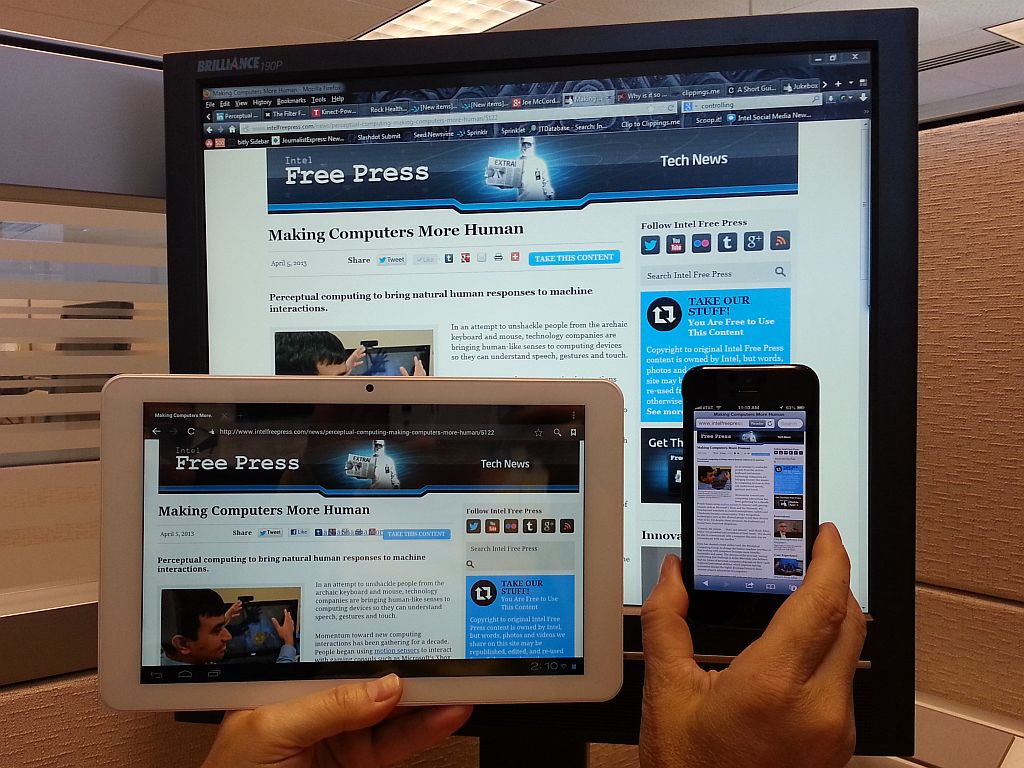
A view of news on a computer, a tablet, and a smart phone

This book is a detailed account of how news organizations in the U.S. and U.K responded to society-wide changes brought by internet technologies and the World Wide Web. The account is informative in many ways, recounting key events year-by-year and the discourse by news professionals and executives. Not surprisingly, the gist is that they couldn’t predict the future, responded the best they could, got some things right and some things wrong.

Going Web-First at The Christian Science Monitor: A Three-Part Study of Change, by Nikki Usher – Annotation & Notes

In 2009 the Christian Science Monitor was among the daily newspapers ceasing print publication in favor of web-only distribution. This paper presents ethnographic research on that transition by former journalist and current associate professor of Communication Studies at the University of San Diego Nikki Usher. Usher observed editorial operations and interviewed news staff at the Monitor during three periods between February 2009 and February 2010: before the transition to web-only, after the transition but before adopting a new content management system, and after CMS implementation. Their goal was to understand the meaning of the change to Monitor’s journalists and its impact on their organizational and journalistic values. 

The Future Of News and How To Stop It

A crowd around a newspaper with headline that says fake news

Today we have an abundance of information resources undreamed of in past centuries, but are exposed via the Internet to more disinformation than any previous generation. Digital media technologies are being massively leveraged to spread propagandistic messages designed to undermine trust in all forms of information, and to stimulate strongly affective responses and an entrenchment of political, cultural, and social divisions. The critical demands of the digital age have outpaced development of a corresponding information literacy. Meanwhile journalists are accused by authoritarian leaders of being “enemies of the people” while facing layoffs from newsrooms no longer supported by a sustainable business model. Short of reinvention, professional journalism will be increasingly endangered and the relevance of news organizations will continue to decline. In this paper I propose a new collaborative model for news production and curation combining the expertise of librarians, journalists, educators, and technologists, with the objectives of addressing today’s information literacy deficit, bolstering the credibility and verifiability of news, and restoring reasoned deliberation in the public sphere.

Through a Digital Glass Darkly: Early English Books Online

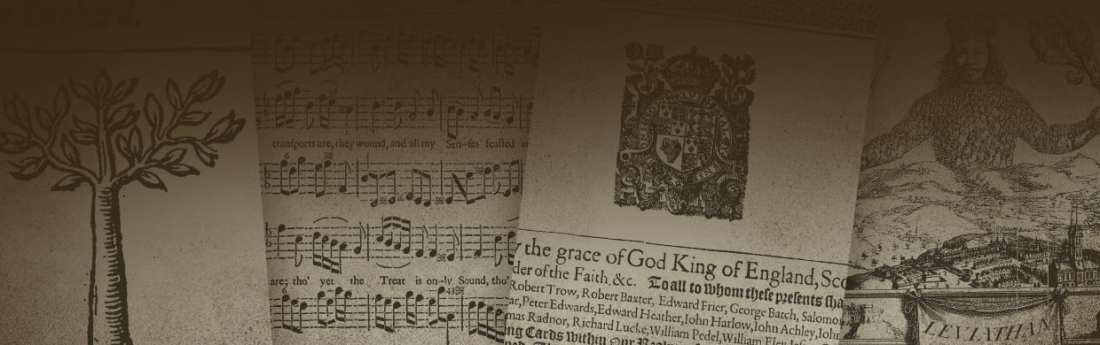
Image of early english book pages

The digital artifact known as Early English Books Online (EEBO) is a resource for research on British history and literature between 1473 and 1700. EEBO is a collection of 146,000 mostly English works accessible via an online database, available by subscription from ProQuest. In this article I first review the history of EEBO, which began with cataloging efforts more than a century ago, through the processes that developed the online version used by so many scholars today. I then critically review its limitations, and discuss some of the challenges and drawbacks inherent in the transformation of analog source materials into digital form, including information distortion and loss, format obsolescence, and the challenges of digital preservation.