When search engines stopped being human: menu interfaces and the rise of the ideological nature of algorithmic search – Annotation & Notes
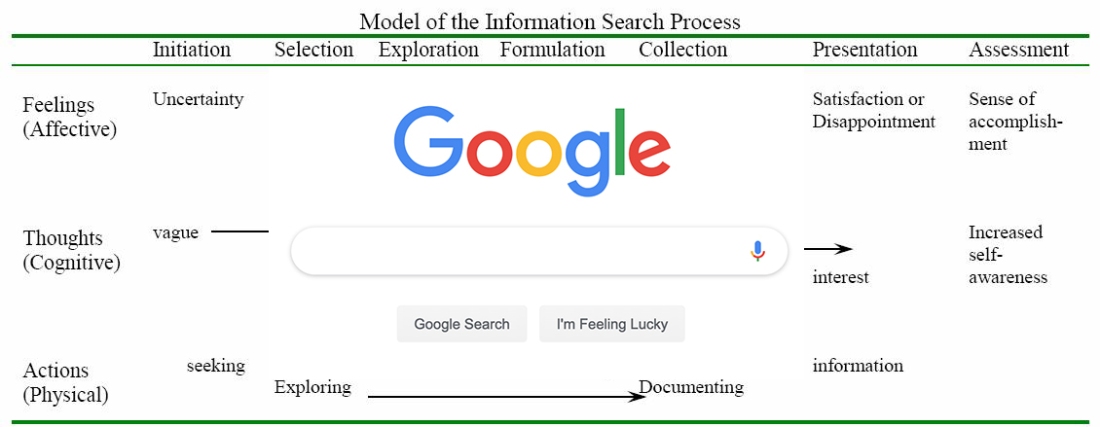
Carol Kuhlthau’s Information Search Process with Google Search superimposed

In recent years, some have argued that if you can’t find information on Google, it might as well not exist. This assertion is problematic given that according to various estimates, the scope of Google’s search index range from 4 percent to .004 percent of the total Internet. Neils Kerssens examines these questions in the context of “positivist algorithmic ideology,” a normalizing force that frames certain practices as an established standard exempt from further interrogation.

The Future Of News and How To Stop It

A crowd around a newspaper with headline that says fake news

Today we have an abundance of information resources undreamed of in past centuries, but are exposed via the Internet to more disinformation than any previous generation. Digital media technologies are being massively leveraged to spread propagandistic messages designed to undermine trust in all forms of information, and to stimulate strongly affective responses and an entrenchment of political, cultural, and social divisions. The critical demands of the digital age have outpaced development of a corresponding information literacy. Meanwhile journalists are accused by authoritarian leaders of being “enemies of the people” while facing layoffs from newsrooms no longer supported by a sustainable business model. Short of reinvention, professional journalism will be increasingly endangered and the relevance of news organizations will continue to decline. In this paper I propose a new collaborative model for news production and curation combining the expertise of librarians, journalists, educators, and technologists, with the objectives of addressing today’s information literacy deficit, bolstering the credibility and verifiability of news, and restoring reasoned deliberation in the public sphere.